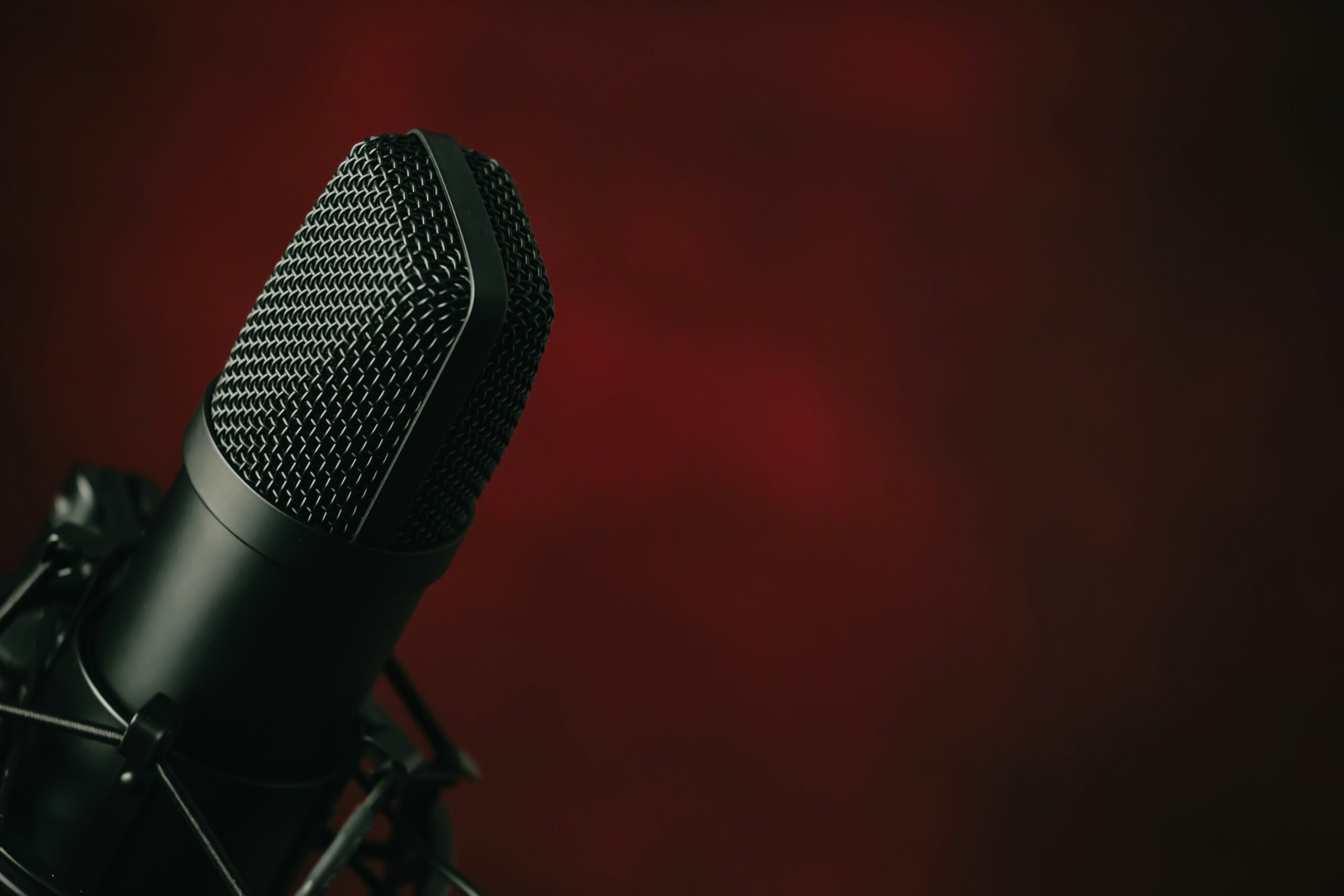
Choosing a perfect microphone might seem simple, but it makes a big impact whether you’re recording music, a podcast, or voiceovers; sound quality matters. The right microphone helps your voice or instrument sound clear and natural.
But not every microphone works well in every situation. Before you spend money, it’s important to know what to look for. When you match your microphone to your needs, your recordings will sound better with less effort.
Know Your Purpose Before You Choose
Start by thinking about what you plan to record. Microphones work best when they’re used for the right type of project. A mic made for singing may not be the best for streaming or video calls. When you know your main goal, you can quickly rule out the ones that don’t fit.
If you’re recording speech, such as podcasts or interviews, you’ll want something that prioritizes voice clarity. If you’re recording music, you need a mic that captures depth and detail. For video or mobile content, you’ll want one that picks up clean audio without being seen on camera.
Think About Where You’re Recording
Your recording space changes how a microphone performs. In a quiet studio, you can use sensitive microphones that pick up every detail. These give rich, clear sound. But in a noisy or echo-filled room, that same mic might degrade your audio.
If your space isn’t acoustically treated, it’s best to choose a microphone that blocks background noise. Some mics are better at picking up only what’s close. This helps you avoid traffic sounds, keyboard clicks, or echo from bare walls. Knowing your space helps you avoid selecting the wrong microphone for your environment.
Keep It Simple with the Right Features
Some microphones have extra features, but that doesn’t necessarily make them better. What matters is how well the microphone matches your setup and skills. A microphone with too many controls might slow you down if you want to hit record and go.
Many good microphones are easy to use and still sound great. Some plug directly into your computer with no additional equipment required. Others offer better quality but require more setup. Choose one that fits your comfort level, not just your dream studio. A simple mic that fits your workflow is better than a fancy one that’s hard to use.
Match the Mic to Your Voice or Instrument
Every voice is different. Some people have deep voices, others sound brighter or softer. A microphone that sounds great for one person might not work well for another. The same goes for instruments. Guitars, drums, and vocals all sound different and need the right mic to sound their best.
Try listening to how different microphones sound with your voice or instruments. There are many demo videos online that can help. A good microphone should make your sound feel natural and full. It should not change your tone or feel harsh in the highs or muddy in the lows.
Don’t Overlook Comfort and Flexibility
Comfort matters more than people think. If your mic setup feels awkward or keeps getting in your way, you’ll spend more time fixing it than creating. A good microphone should stay in place, feel steady, and allow you to focus on your performance or message.
Also, think about how flexible the microphone is. Will you be using it in the same spot each time? Or do you need one that is portable or adaptable to different uses? Some mics are better for stationary use, while others work well for portable setups. Picking the right design helps you record more often and with less stress.
Start simple. Select a microphone that works for your style and setup. As your skills grow, your gear can grow with you. But a clear, natural sound should always come first. With the right microphone, your recordings will sound professional and true to your voice.
Invest for Now, but Think Ahead
It’s smart to start with what you need today. But if you plan to grow your setup or create more advanced content in the future, pick a microphone that gives you room to grow. Some entry-level mics also support upgrades, such as switching to a professional interface or adding accessories later.
You don’t need to buy the most expensive model to sound good. There are great microphones at every price level. What’s more important is how well the mic fits your goals and space. With the right match, you’ll spend less time editing and more time creating.
Choosing a microphone does not have to be hard. When you focus on your needs, your space, and your comfort level, the decision becomes much clearer. A microphone is not just a tool. It’s the connection between you and your audience.