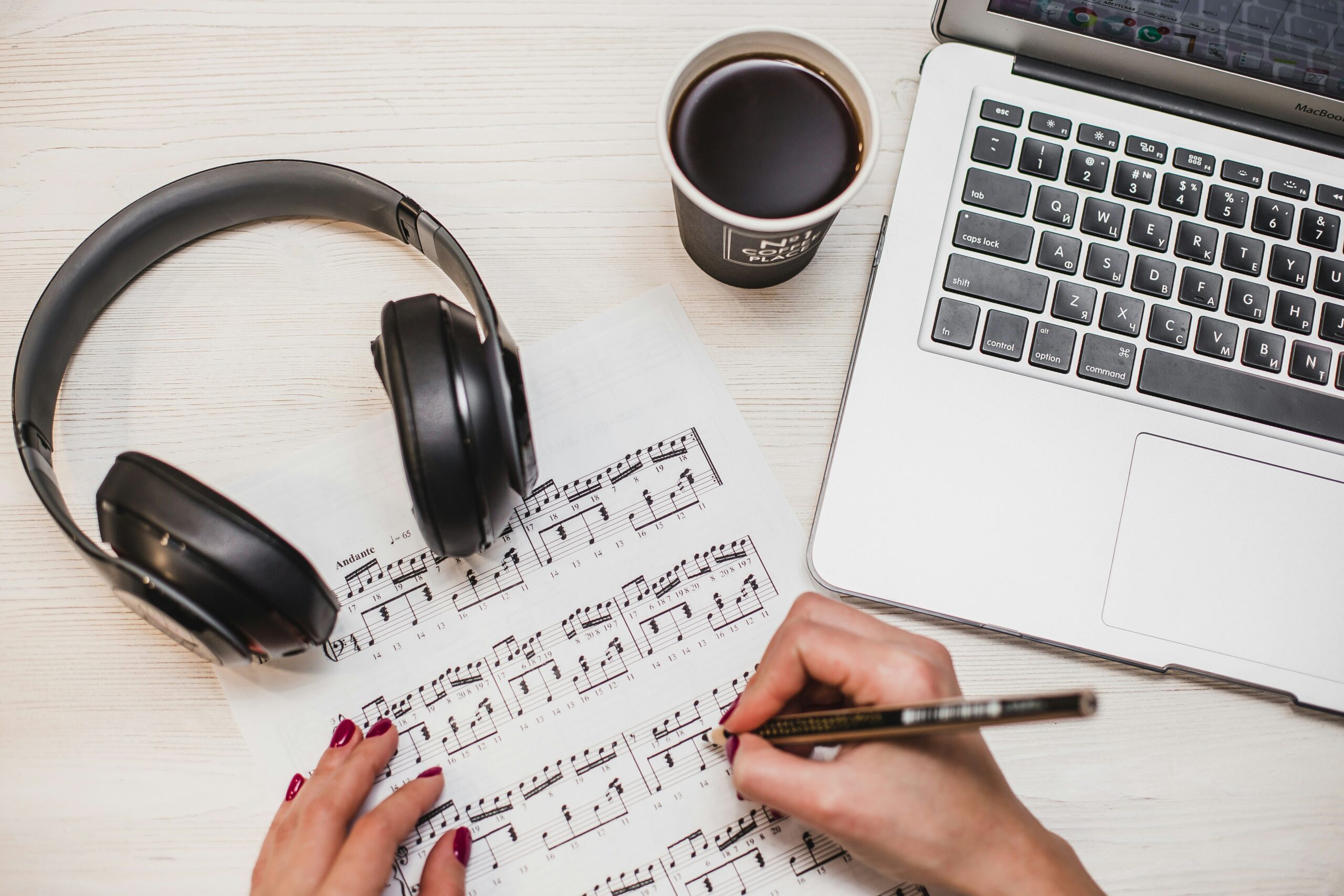
Creating music can feel exciting, but it can also feel lonely when you try to do everything on your own. Many composers discover that working with others brings new ideas and fresh energy to their projects. When you open your process to teamwork, you often learn faster and create music that feels richer and more complete. This article explains how collaboration can transform your music composition process and help you grow as an artist.
Why Collaboration Helps You Grow as a Composer
Writing music alone can limit your ideas. You may fall into the same patterns or get stuck when a melody or chord progression does not work. When you work with other people, you gain access to different skills and different ways of thinking. Collaboration makes it easier to solve problems because you are not relying only on yourself.
Working with others also encourages you to try things you might avoid on your own. You hear how someone else shapes rhythm or harmony, and that gives you the courage to explore new styles. These experiences help you become more flexible and confident in your music composition process.
How Collaboration Sparks New Creative Ideas
Many musicians find their best ideas through conversation. When you share a rough idea with another artist, they may play a note, hum a variation, or suggest a new direction. This simple exchange can open the door to fresh inspiration. Sometimes you only need one different thought to unlock an entire song.
Collaboration also helps you break creative blocks. A partner can point out what works and what feels unclear. They may hear something in your melody that you overlooked. This kind of feedback helps you move forward rather than sit in frustration.
Learning New Skills Through Teamwork
Every musician has unique strengths. One person may understand harmony well while another has strong rhythm skills. When you join forces, you learn from each other. You begin to see music from new angles, and your technique improves.
Working closely with others also helps you sharpen your communication skills. You learn to explain your ideas in simple terms and practice listening with care. These habits make your music composition process smoother because you become better at expressing what you want.
Building Confidence in Your Musical Voice
Some composers fear sharing their ideas because they worry about judgment. Collaboration helps you overcome this fear. When you see others value your input, you feel more confident in your talent. Confidence makes it easier to make bold choices in your music.
This shared support also reduces pressure. Instead of carrying all responsibility yourself, you have partners who care about the final result as much as you do. This teamwork helps you relax and create freely rather than second-guessing every decision.
Improving Your Workflow With Shared Tools and Techniques
Modern technology makes collaboration even easier. You can share files, use cloud-based music tools, and work with people from any location. These tools let you exchange ideas faster and save time during your music composition process.
You can also learn new software or recording methods from your partners. A collaborator might use shortcuts or editing techniques that you never knew. These skills help you work faster and produce higher-quality music.
Strengthening Your Songs Through Constructive Feedback
Every composer needs honest feedback. When you work alone, it is hard to judge your own music. You may miss issues with timing, tone, or structure. Collaboration gives you clear and immediate input from someone who wants the song to succeed.
Feedback in a teamwork setting also feels more natural. Instead of receiving criticism after finishing a song, you get helpful notes during the process. This makes it easier to adjust parts early rather than rewrite everything later.
Blending Different Styles for a Unique Sound
Collaboration often leads to new and exciting blends of style. If you write pop and your partner writes jazz, you may create a sound that feels fresh and original. Blending styles helps you reach new listeners and gives your music a special identity.
Some of the most memorable songs in history came from mixing genres. When you let another person bring their flavor to the project, you open the door to music that stands out.
Staying Motivated Through Shared Energy
Creating music takes time and effort. Some days you feel inspired. Some days you feel tired or unsure. A collaborator can lift your mood and keep you moving. Working together creates a sense of momentum. It is easier to stick to deadlines when someone else depends on you.
Shared excitement also makes the process more enjoyable. You celebrate each small victory together, like finishing a verse or solving a tough harmony. This positive energy keeps you motivated from start to finish.
Growing Your Network and Opportunities
Collaboration connects you with more people in the music world. Each partner has their own circle of friends, producers, or performers. These connections can lead to new projects, new shows, or new learning opportunities.
A larger network also helps you stay informed about music trends and industry tools. This knowledge supports your long term success and keeps your music composition process strong and current.
Building Trust and Long Term Creative Partnerships
When you find people who understand your vision and support your growth, you build trust. Over time, this trust becomes the foundation for long term partnerships. Many famous songwriting teams work together for years because they understand each other’s style and rhythm.
Strong partnerships make your music composition process easier and more enjoyable. You do not need to explain your methods each time. You create together with comfort and respect, which leads to better music.
How to Start Collaborating With Confidence
If you want to collaborate but feel unsure, start small. Share a simple idea with a friend and ask for their thoughts. You can also join online music communities where people look for partners. Many musicians enjoy working with beginners because they bring fresh perspectives.
Set clear goals for each project. Decide who handles melody, who writes lyrics, or who arranges instruments. Clear roles help the process stay organized and smooth.
Be open to change and trust the flow of teamwork. Collaboration works best when everyone respects each other’s ideas and stays flexible. Remember that you are building something together, not competing.
Final Thoughts
Collaboration can transform your music composition process in powerful ways. It brings fresh ideas, new skills, and renewed motivation. It helps you grow as an artist and create music that feels richer and more original. When you open your creative world to others, you discover new possibilities that you may never find alone.
Working with others is not only helpful for improving your music. It also makes the journey more fun and meaningful. If you want to grow as a composer, invite collaboration into your process. The music you create together may surprise you and inspire your next great idea.