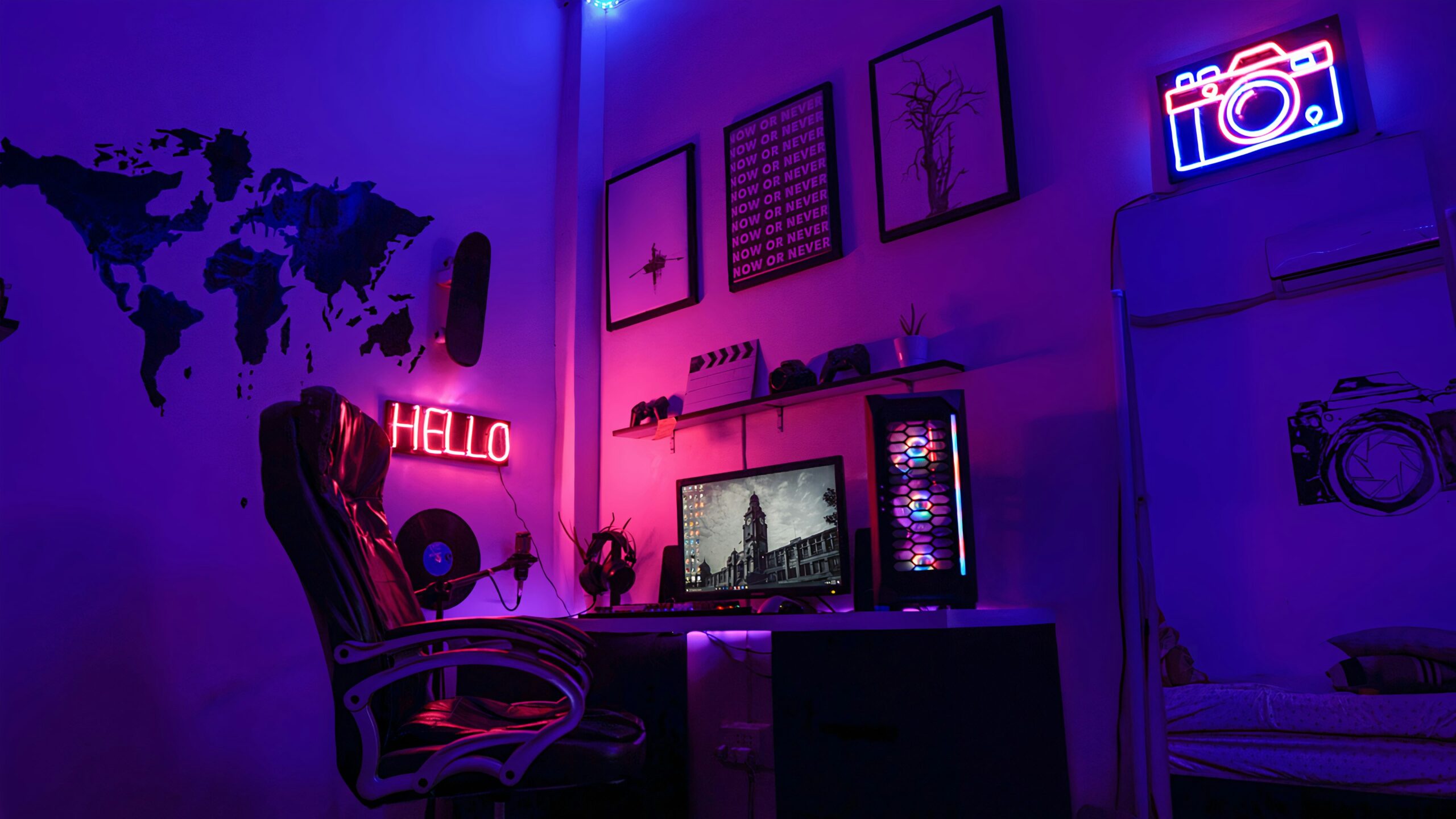
If you want better sound and video, you need to upgrade your home studio with care and purpose. Many creators start with basic gear. However, as your skills grow, your setup must grow too. When you upgrade your home studio the right way, you can produce content that feels clean, sharp, and professional.
A strong studio does not depend on luck. Instead, it depends on smart choices, good sound control, and the right tools. So let’s explore how to upgrade your home studio for pro-level results without stress or waste.
Improve Your Room Acoustics First
Before you buy new gear, focus on your room. Even the best microphone will sound poor in a bad space. Therefore, room treatment should be your first step when you upgrade your home studio.
Hard walls reflect sound. As a result, echoes and harsh tones are present in your recordings. To fix this, add acoustic panels to your walls. You can also place bass traps in the corners to control low-end rumble. Thick curtains and rugs help as well.
Moreover, choose a quiet room away from traffic noise and loud appliances. Turn off fans and devices when you record. Small changes like these can greatly improve sound quality.
When you upgrade your home studio, always treat the space before upgrading equipment. Good acoustics will instantly raise your production value.
Choose a High-Quality Microphone
Next, look at your microphone. Clear audio builds trust with your audience. So if your voice sounds thin or noisy, it is time to upgrade your home studio with a better mic.
A condenser microphone captures detail and warmth. However, a dynamic microphone works well in rooms with some background noise. Choose one that fits your recording style.
Also, use a pop filter to reduce harsh breath sounds. Place the mic at the right distance from your mouth. Speak across the mic rather than directly into it. These small steps protect your sound.
When you upgrade your home studio, your microphone should match your voice and your space. Test different options before you decide.
Upgrade Your Audio Interface and Cables
Even a great microphone needs a clean signal path. Therefore, a high-quality audio interface is key when upgrading your home studio.
A good interface converts your voice into digital sound with clarity. It reduces noise and improves detail. As a result, your recordings will sound smooth and balanced.
In addition, use quality cables. Cheap cables create static and signal loss. Secure all connections and keep cables away from power cords. Clean wiring keeps your setup reliable.
When you upgrade your home studio, do not ignore the small pieces. Every link in the chain affects your final sound.
Invest in Studio Monitors and Headphones
You cannot fix what you cannot hear—so monitoring matters a lot when you upgrade your home studio.
Studio monitors give you honest sound. Unlike regular speakers, they do not boost bass or treble. Therefore, you can mix with accuracy. Place them at ear level and form a triangle with your listening position.
Closed-back headphones help during recording. Open-back headphones work better for mixing because they give a natural sound. Use both if possible.
As you upgrade your home studio, trust your ears. Good monitoring lets you catch mistakes early and shape a polished mix.
Improve Your Lighting Setup
If you create video content, lighting plays a huge role. Even strong audio cannot save a dark or flat image. So when you upgrade your home studio, focus on lighting as much as sound.
Use soft lights to avoid harsh shadows. Position your key light in front of you at a slight angle. Then add a fill light to soften shadows. A backlight can separate you from the background.
Natural light also works well. However, control it with curtains to keep your look consistent.
When you upgrade your home studio for video, balanced lighting makes your content look clean and pro-level.
Upgrade Your Camera or Webcam
After improving the lighting, check the quality of your camera. A blurry image weakens your message. Therefore, you may need to upgrade your home studio by replacing your camera.
Many modern webcams offer sharp resolution and good color. However, a mirrorless or DSLR camera delivers deeper focus and better detail. Pair it with a clean lens for best results.
Mount your camera at eye level. Frame yourself with enough headroom and space. Also, keep your background tidy and simple.
When you upgrade your home studio, strong visuals boost your brand and keep viewers engaged.
Optimize Your Desk and Layout
Comfort affects performance. If your setup feels cramped, your work will suffer. So upgrade your home studio layout for better flow.
Choose a sturdy desk with enough space for your gear. Keep your keyboard, mouse, and interface within easy reach. Arrange your monitors at an equal distance from your ears.
Cable management also matters. Use clips or ties to reduce clutter. A clean desk reduces stress and improves focus.
When you upgrade your home studio, design a space that supports long sessions without strain.
Upgrade Your Software and Plugins
Hardware matters, yet software shapes your final sound. Therefore, review your digital tools when you upgrade your home studio.
Use a reliable recording program that fits your skill level. Learn its shortcuts and features. This knowledge will speed up your workflow.
Add quality plugins for equalization, compression, and noise control. However, avoid overprocessing. Clean recordings need only light adjustments.
As you upgrade your home studio, focus on skill as much as gear. Strong editing techniques create a polished finish.
Strengthen Your Internet and Backup System
If you stream or share files online, stable internet is key. Slow speeds disrupt live sessions and uploads. So upgrade your home studio connection if needed.
Use a wired connection for better stability. In addition, back up your files on an external drive or cloud storage. Protecting your work prevents loss and stress. When you upgrade your home studio, protect both your content and your time.
Focus on Branding and Background
Finally, think about your studio’s look. Your background reflects your style and brand. Therefore, add simple decor that fits your theme. Plants, shelves, or art can add depth. However, avoid clutter. Keep colors balanced and calm.
When upgrading your home studio, aim for a clean, focused design. A strong visual identity helps viewers remember you.