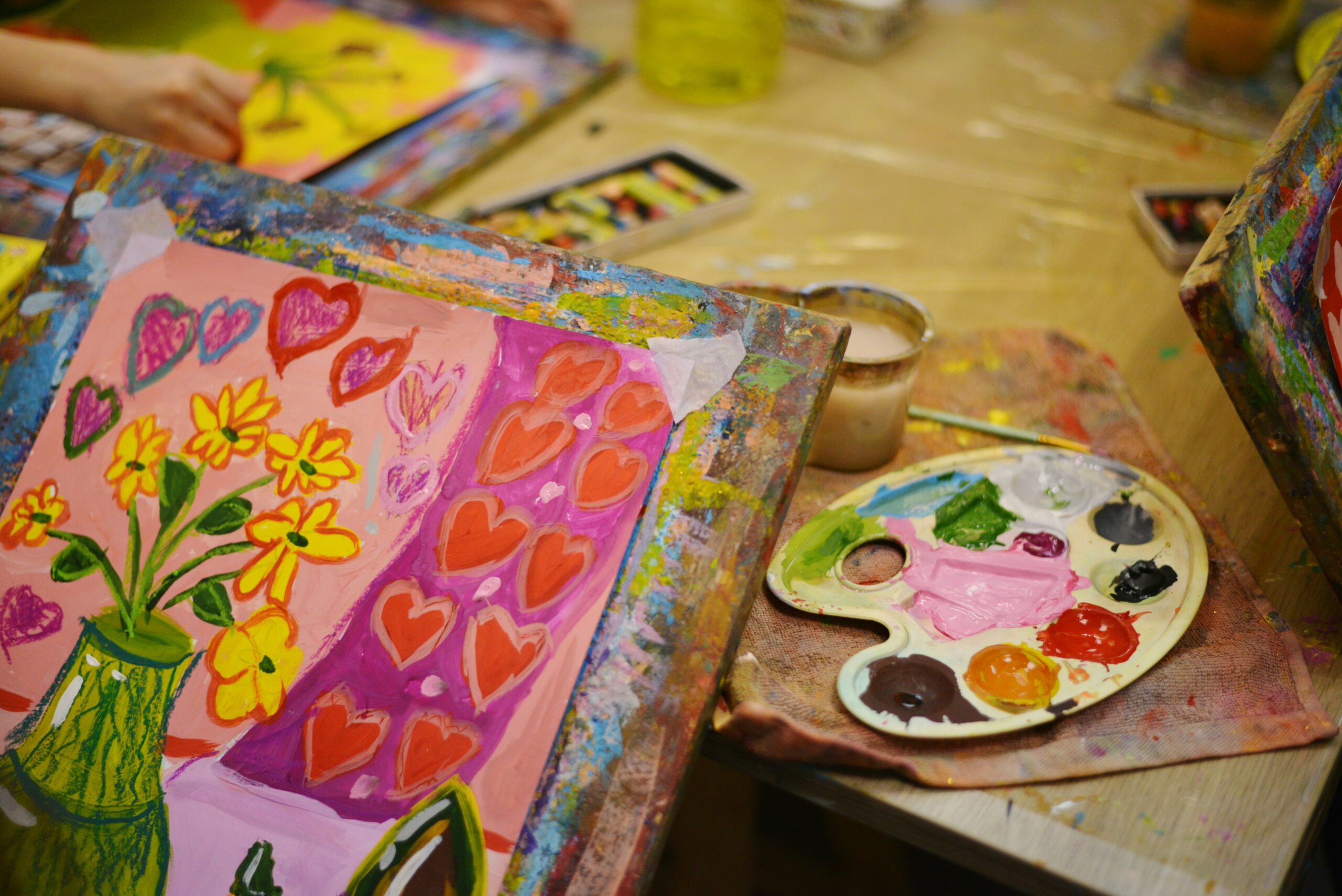
Early exposure to the arts can shape a child’s development in remarkable ways. Activities such as music, painting, theater, dance, and creative writing encourage children to explore ideas while expressing themselves freely. These experiences do more than support creativity. They also strengthen focus, emotional awareness, and critical thinking. As children grow, the habits formed through artistic involvement often continue influencing how they learn, communicate, and approach challenges throughout life.
Artistic Activities Encourage Mental Growth
Creative experiences stimulate the brain through active participation and imagination. When children play music or create visual art, they use memory, observation, and coordination together. This process strengthens cognitive development and encourages flexible thinking. In addition, the arts help children approach learning with curiosity instead of fear. They begin experimenting with ideas and discovering new ways to solve problems. These experiences support intellectual growth and help children become more confident learners over time.
Focus Develops Through Creative Practice
The arts require attention, patience, and consistency. A child practicing dance routines or learning a musical instrument must stay focused for extended periods. Through repetition and practice, children strengthen their ability to concentrate. Furthermore, artistic activities teach them that improvement happens gradually through effort and commitment. This lesson encourages persistence and helps children stay motivated even during difficult moments. As a result, creative experiences often improve attention spans and support long-term focus in many areas of life.
Emotional Awareness Through Self-Expression
Children often experience emotions they cannot easily explain. Artistic expression gives them healthy ways to communicate those feelings. Through drawing, storytelling, or music, children can express emotions in creative and meaningful forms. This process strengthens self-awareness and emotional understanding. Moreover, creative activities often provide comfort and reduce stress. When children feel emotionally balanced, they usually respond more calmly to challenges and remain more engaged in learning and social interactions.
Confidence Grows Through Creative Achievement
The arts help children build confidence by allowing them to create and share something personal. Completing a project or performing in front of others gives children a sense of accomplishment. Positive support from teachers, friends, and family further strengthens self-esteem. In addition, artistic environments encourage individuality and originality. Children learn that their ideas and perspectives have value. As confidence grows, they become more willing to try new experiences and remain committed to long-term goals.
Problem-Solving Skills Through Creativity
Creative activities naturally encourage problem-solving and adaptability. Artists experiment with techniques, musicians adjust performances, and writers revise ideas to improve their work. Through these experiences, children learn how to approach challenges with flexibility and persistence. They also begin to understand that mistakes can lead to growth rather than failure. This mindset strengthens resilience and helps children handle obstacles more effectively. Over time, these problem-solving abilities support success in academics, relationships, and future careers.
Discipline and Responsibility in the Arts
Although creativity often feels spontaneous, artistic progress requires structure and discipline. Children involved in the arts learn the importance of practice, routines, and steady improvement. These habits encourage responsibility and self-control. Additionally, the arts teach children to work patiently toward long-term goals rather than expecting immediate results. This understanding helps them stay focused and motivated over time. The discipline developed through artistic practice often benefits many other aspects of life as well.
Collaboration and Communication Skills
Many artistic experiences involve teamwork and cooperation. Theater productions, music groups, and dance performances require children to communicate clearly and support one another. Through collaboration, they learn how to listen carefully, share ideas, and respect different perspectives. These interactions strengthen social skills and emotional intelligence. Furthermore, working toward shared creative goals helps children build trust and connection with others. Collaborative environments often increase motivation and create a stronger sense of belonging.
Creativity Beyond Childhood
The benefits of early artistic exposure often continue long after childhood. Adults who engaged in creative activities as young adults often exhibit greater innovation and adaptability. They may also approach challenges with greater confidence and originality. In addition, the focus and discipline developed through artistic practice often improve productivity and leadership skills. Creativity becomes more than an artistic talent. It becomes a practical skill that supports success in many personal and professional situations.
Expanding Access to Creative Opportunities
Access to the arts remains important for children from all backgrounds. Schools, families, and communities all play important roles in supporting arts education. Programs in music, visual arts, theater, and dance help children discover talents while developing important life skills. Moreover, exposure to diverse artistic traditions encourages cultural understanding and open-minded thinking. Expanding access to creative opportunities allows more children to experience the long-term benefits of artistic involvement.
Early exposure to the arts shapes children in ways that reach far beyond creativity alone. Artistic experiences strengthen concentration, confidence, emotional awareness, and discipline while encouraging imagination and curiosity. Through creative activities, children learn how to focus, communicate, and solve problems effectively. These skills continue to support growth and success throughout adulthood. As modern society increasingly values innovation and adaptability, the importance of arts education becomes even clearer. Encouraging children to engage with the arts from an early age helps prepare them for thoughtful, focused, and fulfilling futures.